Travel is an deeply personal endeavor. What constitutes a perfect escape for one person can feel like an exhausting chore to another. While some people dream of sitting on a silent beach with a book, others feel alive only when navigating a bustling night market or trekking across a glacier. The global travel landscape has diversified immensely, ensuring that no matter your personality, budget, or physiological needs, there is a destination designed to fulfill your specific version of a dream vacation.
To plan a truly successful trip, you must first understand your personal travel archetype. Matching your internal motivations with the right geographic location and pace of travel turns a standard holiday into a transformative experience. The following curated travel concepts outline the ultimate dream vacations for the world’s most distinct types of travelers.
1. The Adventure Seeker: Patagonia, Chile and Argentina
For travelers who define a vacation by adrenaline spikes, physical exertion, and awe-inspiring natural landscapes, the jagged peaks of Patagonia represent the ultimate frontier. Spanning the southern regions of Chile and Argentina, this vast wilderness features massive glaciers, deep fjords, and wind-swept steppes.
High-Octane Experiences in Patagonia
-
The W Trek: Located in Torres del Paine National Park, this world-famous multi-day hike takes travelers through granite towers, emerald lakes, and massive ice fields.
-
Ice Trekking on Perito Moreno: Strapping on steel crampons to walk directly across the deep blue crevasses of an active, advancing glacier offers an unparalleled connection to earth’s geological forces.
-
Navigating the Chilean Fjords: Kayaking through cold, remote waterways alongside calving glaciers and native marine life provides a truly immersive wilderness experience.
Patagonia appeals to travelers who find mental clarity through physical effort. The demanding climate and rugged terrain guarantee that you return home with a profound sense of accomplishment.
2. The Cultural Immersion Specialist: Kyoto, Japan
Some travelers use their vacation time to step completely outside their comfort zones and study human history, philosophy, and ancient traditions. For the culturally curious explorer, Kyoto serves as the historic and spiritual heart of Japan, preserving centuries of artistic and architectural heritage.
Kyoto escaped major destruction during the twentieth century, allowing thousands of classical Buddhist temples, Shinto shrines, and traditional wooden townhouses to remain completely intact.
How to Practice Cultural Mindfulness in Kyoto
-
Temple Meditation: Spending a morning practicing silent zazen meditation inside a historic Zen temple, overlooked by a meticulously raked gravel rock garden, restores mental focus.
-
The Art of the Tea Ceremony: Participating in a formal chado demonstration teaches the concepts of harmony, respect, purity, and tranquility through the highly disciplined preparation of matcha.
-
Exploring Historic Gion: Walking down the preservation districts at dusk allows travelers to observe traditional architecture and appreciate the highly guarded arts of the geisha community.
Kyoto is an ideal destination for those who want a slow-paced vacation filled with intellectual depth, artistic precision, and spiritual reflection.
3. The Ultimate Relaxer: The Amalfi Coast, Italy
For a specific archetype of traveler, the perfect vacation involves the total elimination of schedules, chores, and physical stress. The goal is pure sensory pleasure, aesthetic beauty, and leisurely indulgence. Italy’s Amalfi Coast masters this philosophy through a concept known as the sweetness of doing nothing.
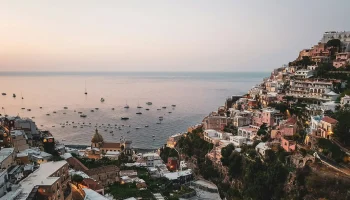
The dramatic cliffs of the Campania region drop directly into the Mediterranean Sea, dotted with pastel-colored fishing villages, terraced lemon orchards, and historic cliffside boutique hotels.
The Ingredients of Amalfi Relaxation
-
Leisurely Coastal Boat Charters: Spending a full day on a private wooden boat, floating inside hidden sea caves and swimming in deep blue water away from public beaches.
-
Terrace Gastronomy: Enjoying multi-hour lunches consisting of fresh seafood, handmade pasta, and regional white wine while overlooking panoramic ocean vistas.
-
Pedestrian Wandering: Exploring the steep, narrow stairways of towns like Positano or Ravello at a relaxed pace, stopping for artisanal gelato or handmade linen shopping.
The Amalfi Coast caters to travelers who want to slow down time, pamper their senses, and live in a postcard-perfect visual environment.
4. The Eco-Conscious Wildlife Lover: The Galapagos Islands, Ecuador
For passionate nature lovers and environmentalists, a dream vacation means witnessing wildlife in its purest, most undisturbed state. Located six hundred miles off the coast of Ecuador, the volcanic Galapagos Islands serve as a living laboratory of evolutionary biology.
Because the islands are strictly protected and human habitation is severely limited, the native animals have no instinctual fear of humans. This creates unique opportunities for intimate wildlife encounters.
Unparalleled Nature Encounters
-
Snorkeling with Sea Lions: Swimming through clear volcanic channels alongside playful sea lion pups, marine iguanas feeding on sea algae, and gentle green sea turtles.
-
Observing Giant Tortoises: Hiking through the humid highlands of Santa Cruz Island to watch prehistoric giant tortoises move through their natural migratory paths.
-
Birdwatching Iconic Species: Walking along lava fields to view unique courtship dances of blue-footed boobies and the massive nesting colonies of frigatebirds.
A vacation to the Galapagos is deeply educational and humbling, reminding travelers of the importance of global conservation efforts and the delicate balance of remote ecosystems.
5. The Multi-Generational Family Traveler: Costa Rica
Planning a trip that satisfies the curiosity of a seven-year-old child, the budget of a thirty-something professional, and the mobility needs of a seventy-year-old grandparent is a significant logistical challenge. Costa Rica has become the world leader in family travel because its geography accommodates all paces of life simultaneously.
Known for its peaceful democracy and commitment to sustainability, this Central American nation features beaches, rainforests, and active volcanoes in close proximity.
Multi-Generational Activities in Costa Rica
-
Accessible Rainforest Boardwalks: Many national parks and private reserves feature flat, paved hanging bridges that allow travelers of all mobility levels to view sloths and toucans in the rainforest canopy.
-
Volcanic Hot Springs: Resorts surrounding the Arenal Volcano offer natural, geothermally heated mineral pools of varying temperatures, providing fun for children and deep relaxation for older adults.
-
Calm Coastal Waters: Destinations like the Papagayo Peninsula feature protected bays with minimal surf, ensuring a safe, relaxing environment for swimming, paddleboarding, and family beach picnics.
Costa Rica eliminates family travel friction by offering robust infrastructure, widespread English fluency, and an infectious national philosophy centered on enjoying life to the fullest.
Frequently Asked Questions
How can a solo traveler ensure safety when booking an adventure vacation?
Solo adventure travelers should prioritize destinations with highly developed outdoor emergency networks and reputable guide services. Before departure, register your itinerary with your national embassy, purchase comprehensive travel insurance that explicitly covers high-risk outdoor activities, and download reliable offline GPS tracking maps. Joining small-group adventure tours is also an excellent way to experience remote wilderness areas with professional logistical backup while maintaining independence.
What is the best strategy for balancing a vacation when partners have different travel styles?
The most effective approach to a mixed-style vacation is compromise via structured split scheduling. Instead of forcing one partner to adopt the other’s style for the entire trip, design an itinerary that alternates activity days. For example, spend two days participating in active city walking tours or hiking, followed by two days dedicated entirely to resort relaxation or spa treatments. Allocating independent afternoons where each person pursues their own passion also prevents vacation resentment.
Are eco-tourism destinations accessible for travelers operating on a modest budget?
Yes, sustainable travel is entirely possible on a budget. While high-end luxury eco-lodges receive the most media attention, many conservation-minded destinations offer community-based tourism initiatives. Travelers can book stays at locally owned guesthouses, participate in public transport networks, and hire independent local park guides. This approach minimizes your environmental footprint and ensures your money directly benefits the local economy, often costing significantly less than commercial resorts.
How early should someone begin planning a vacation to a highly regulated destination like the Galapagos?
For highly regulated ecosystems or iconic historic routes, you should ideally begin the planning process nine to twelve months in advance. The government limits the number of visitors and specify strict boat cruise itineraries to prevent environmental degradation. Securing permits, booking certified naturalist guides, and obtaining lodging during peak dry seasons requires early action to avoid compromising your travel dates.
What steps can travelers take to minimize jet lag on long-distance cultural journeys?
To mitigate the physical toll of changing multiple time zones, begin adjusting your sleep schedule progressively three days before your departure. Once you board the airplane, immediately reset your watch to the local time of your destination and align your eating and sleeping patterns accordingly. Upon arrival, maximize your exposure to natural sunlight and engage in light physical movement to help synchronize your internal circadian rhythms with the new environment.
Why is Costa Rica considered safer for families than other tropical international options?
Costa Rica stands out due to its long history of political stability, high literacy rates, and exceptional healthcare system. The nation famously abolished its military in 1948, redirecting national funds toward public education, environmental conservation, and medical infrastructure. This investment has created a safe, welcoming domestic environment with low rates of violent crime, making it a highly reliable choice for international family travel.