


A wellness weekend in Singapore does not need to consist entirely of spa treatments, restrictive meals and a packed schedule of activities.
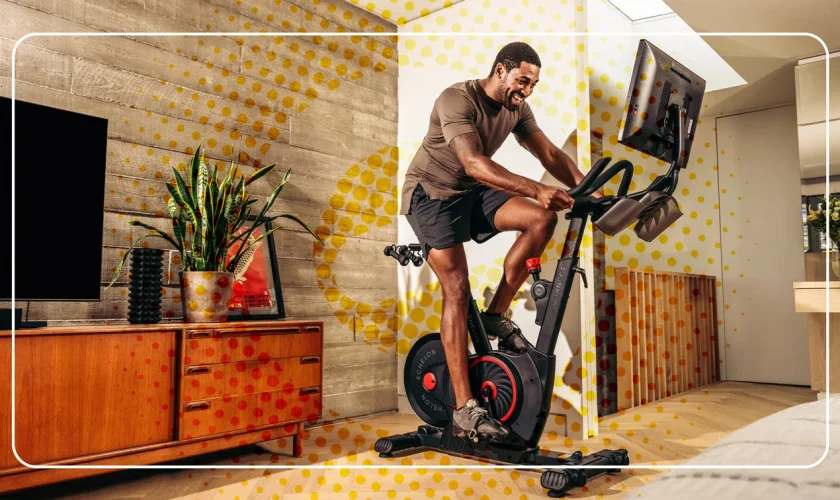
A well-timed indoor cycling Singapore session can add structured movement while protecting travellers from unpredictable rain, intense midday heat and unfamiliar outdoor cycling conditions. The class works best when it supports the weekend rather than leaving visitors too exhausted to enjoy the rest of the city.
Decide What “Wellness” Means
Travellers use the term wellness in different ways.
For one person, it means recovery from work stress. For another, it means maintaining a training routine. Someone else may want an active social experience.
The cycling session should match the purpose.
A high-intensity class may suit a fitness-focused weekend. A moderate ride may be better when the itinerary includes extensive walking, sightseeing and late dinners.
Wellness should not become a competition to schedule the most demanding activities.
Why Indoor Cycling Suits Singapore’s Climate
Singapore’s heat and humidity can make unfamiliar outdoor exercise feel more demanding.
Rain can also interrupt plans with little warning. An indoor cycling class provides a controlled environment and predictable duration.
Travellers know:
- Where the session begins
- How long it lasts
- What equipment is provided
- That traffic and navigation are removed
- That changing facilities may be available
This predictability helps the class fit into a short itinerary.
Location Determines Practicality
A class that appears close on a map may require extra travel during peak periods.
Visitors should consider:
- Distance from the hotel
- MRT access
- Walking time
- Weather exposure
- Changing and showering time
- Nearby meals
- The next planned activity
A forty-five-minute class may occupy two hours once travel and preparation are included.
The most convenient location is often more useful than the most visually impressive studio.
Choose the Class Time Carefully
Morning classes can create an energetic start and leave the rest of the day open. They may be difficult after late arrival or poor sleep.
A lunchtime session avoids early waking but may complicate meals and sightseeing. Evening classes can provide a transition before dinner, though intense exercise close to bedtime affects some travellers.
The best time depends on:
- Travel fatigue
- Normal training habits
- Hotel location
- Meal timing
- Planned activities
- Personal sleep response
Visitors should avoid booking a maximal class immediately after a long-haul flight.
Do Not Underestimate Walking Load
Travellers often complete far more daily steps than they expect.
Museums, shopping districts, gardens and transport connections add lower-body workload. A hard cycling class on top of a high-step day may create fatigue that affects the following morning.
The weekend plan should consider total movement.
An indoor ride may replace another workout rather than being added to every activity.
Booking and Access
Visitors should check whether the facility offers:
- Single-session access
- Trial eligibility
- Advance booking
- Cancellation rules
- Towel service
- Lockers
- Shower facilities
- Shoe requirements
These details affect the practicality of including the class.
Arriving early is important because visitors may be unfamiliar with the building and bike setup.
What to Bring
A compact class kit may include:
- Breathable clothing
- Suitable training shoes
- Socks
- Water bottle
- Small towel if not provided
- Change of clothes
- Basic toiletries
- A bag for damp clothing
Travellers should avoid wearing new shoes for the first time during a demanding class.
A light layer may be useful after class when moving between air-conditioned and outdoor environments.
Fuel Around the Session
Breakfast, brunch and dinner are often central to a Singapore weekend.
There is no need to avoid local food to attend a cycling class. Meal timing matters more than creating a “clean eating” itinerary.
A substantial meal may need several hours before vigorous exercise. A lighter snack closer to class can include fruit, toast, yoghurt or another familiar carbohydrate source.
Afterwards, rice, noodles, fish, chicken, tofu, eggs and vegetables can all contribute to recovery.
Hydration Begins Before the Studio
Visitors may become dehydrated while walking outdoors before class.
They should drink gradually during the day rather than consuming a large amount immediately before cycling.
Heavy sweaters may need to consider sodium, particularly when several activities occur in warm conditions.
Alcohol can affect hydration and sleep. A late night followed by an early intense class may not create the restorative weekend originally intended.
Balance the Rest of the Itinerary
A sensible wellness weekend might include:
Friday evening
Arrival, light meal and relaxed walk.
Saturday morning
Indoor cycling class followed by breakfast or brunch.
Saturday afternoon
Lower-intensity sightseeing or recovery activity.
Sunday
Mobility, swimming, walking or a strength session depending on energy.
The structure should remain flexible. Travel delays, weather and sleep can change readiness.
Travellers Should Scale the Ride
A visitor does not need to match regular participants.
They can reduce resistance, remain seated or skip maximal efforts while still enjoying the class.
The first goal is to understand the bike and instruction. The second is to select an intensity that fits the weekend.
A holiday class should not become a personal-best attempt simply because it is novel.
Indoor Cycling Is Not Outdoor Tourism
Studio cycling cannot replace the experience of exploring Singapore outdoors.
The class provides controlled training, not sightseeing. That distinction is useful.
Visitors can separate fitness from navigation and enjoy outdoor areas later without turning every movement into a workout.
Facilities such as True Fitness Singapore can offer a structured indoor session within a wider city itinerary.
Make the Weekend Restorative
A wellness weekend should leave the traveller feeling refreshed rather than defeated by an ambitious schedule.
Indoor cycling contributes when it provides purposeful movement, predictable timing and protection from environmental uncertainty.
The class should fit around sleep, food and exploration. It should not force everything else to fit around the class.
Frequently Asked Questions
Can tourists book a single indoor cycling class?
Access options vary. Visitors should check trial, day-pass or individual-class policies directly with the facility.
Is indoor cycling suitable immediately after a flight?
A light session may be manageable, but long-haul travel, poor sleep and dehydration can reduce readiness. Avoid treating the first ride as a performance test.
Do I need cycling shoes?
Many studio bikes accept ordinary training shoes through pedal cages. Confirm the equipment requirements before attending.
Should I schedule cycling before or after sightseeing?
A morning class often leaves the day open, but the best timing depends on sleep, meals and planned walking.
What should I eat after the class?
Choose a balanced meal containing carbohydrate, protein and fluids. Singapore’s local food options can fit this structure easily.