
close

February 2026

Travel

Staying Fit While Travelling Through Southeast Asia: A Practical Guide for Singapore-Based Frequent Travellers

For Singapore-based professionals who travel regularly across the region, maintaining a fitness routine is one of the more persistent and frustrating challenges of a mobile career. You spend months building consistency at the best gym in Singapore, developing movement patterns, adding weight to the bar, showing up reliably three or four times a week. Then a week in Bangkok, a long weekend in Jakarta, or a 10-day project stint in Ho Chi Minh City arrives, and the routine fractures. When you return, the first session back feels like starting over. If this pattern repeats several times per year, the cumulative effect on your fitness trajectory is substantial.

Why Fitness Consistency Breaks Down During Travel

The breakdown is not usually about motivation. Most regular gym-goers arrive in a new city with genuine intentions to train. The breakdown is structural. The familiar environment that cues the training behaviour is absent. The gym bag is not by the door. The alarm set to 6:30am for the morning session feels less compelling when the hotel bed is new and the city outside is foreign. The hotel gym, when there is one, has three treadmills, a cable machine from a decade ago, and a set of dumbbells that tops out at 20 kilograms.

The physiological disruptors compound the psychological ones. Travel across time zones, even within the relatively narrow longitudinal band of Southeast Asia, disrupts circadian rhythm and reduces sleep quality. A flight from Singapore to Tokyo crosses three time zones. Even a domestic-level trip to Bali involves a time shift that can affect sleep onset and morning alertness for several days. Poor sleep reduces testosterone, elevates cortisol, and impairs the glycogen metabolism that fuels training performance, making the decision to skip a session feel physically justified even when it is not strictly necessary.

Unfamiliar food environments create additional uncertainty. In a city you know well, you can navigate post-workout nutrition intuitively. In an unfamiliar city, estimating protein content, finding a meal that fits your training goals, and avoiding the food safety issues that affect some travellers in less familiar environments all add friction to the recovery process.

The Science of Maintaining Fitness During Short-Term Travel Disruptions

Understanding what actually happens to fitness during short periods of inactivity provides both reassurance and a framework for deciding how much effort to invest in maintaining training while travelling.

The research on detraining, the loss of training adaptations following a period of inactivity, shows a clear time dependency. In the first 2 weeks of complete inactivity, the primary losses are in cardiovascular fitness and muscular endurance rather than in peak strength or muscle mass. Aerobic capacity begins declining meaningfully after about 10 to 14 days without cardiovascular training. Strength and muscle mass are more resilient: significant muscle loss from inactivity does not become measurable until beyond 3 to 4 weeks in most trained individuals.

This means that a 7-day work trip with minimal training will not meaningfully set back a regular gym-goer’s strength or body composition. A 2-week trip requires more proactive maintenance to preserve aerobic fitness. Beyond 3 weeks, the training investment during travel becomes genuinely important for preserving lean mass and metabolic rate.

The practical implication is that for trips under 10 days, maintaining a minimum effective dose of resistance training, even 2 sessions of 30 to 40 minutes using bodyweight and minimal equipment, is sufficient to preserve strength adaptations. For trips of 2 weeks or longer, more deliberate training maintenance is warranted.

How to Evaluate Hotel Gym Facilities Across Southeast Asia

Hotel gym quality across Southeast Asia varies enormously, from genuinely excellent facilities in the major business hotels of Bangkok’s Sukhumvit district and Singapore’s central business district to a single multi-use machine in a windowless room. Knowing how to make an informed assessment before you travel, and how to adapt your training to whatever you find, is a more practical skill than hoping each hotel will meet your expectations.

Before booking accommodation, check the hotel’s gym photos specifically, not just the general facilities section of the website. Look for barbells, adjustable dumbbells that go to at least 30 kilograms, a functional training area with space for bodyweight movement, and cardiovascular equipment that goes beyond basic treadmills. Bangkok’s major business hotels, including those in the Sukhumvit and Silom areas, generally offer the best-equipped hotel gyms in the region. Ho Chi Minh City’s District 1 hotels and Kuala Lumpur’s KLCC district hotels are also reliably well-equipped. Bali’s gym quality varies significantly by resort area, with Seminyak and Canggu offering better access to quality fitness facilities than the more resort-focused Nusa Dua area.

Jakarta’s hotel gyms tend to be adequate in the central business district but can be limited outside it. When the hotel gym is genuinely inadequate, day passes to commercial gyms near major hotels in most large Southeast Asian cities are generally available for between SGD 10 and SGD 25 and can be arranged through the hotel concierge or directly through the gym.

Bodyweight and Minimal Equipment Protocols That Actually Work

The most liberating training insight for travellers is that bodyweight training, done with sufficient intensity and appropriate exercise selection, is capable of maintaining virtually all of the strength and muscle mass built through weighted gym training for periods of up to 4 weeks.

A strength-focused bodyweight session might centre on three primary movements: a push pattern (push-up variations progressed to archer push-ups, single-arm push-up progressions, or feet-elevated push-ups targeting the upper chest), a pull pattern (if a pull-up bar or suitable door frame is available, chin-ups and inverted rows), and a single-leg squat pattern (Bulgarian split squats using the bed or chair as a rear foot support, single-leg squat progressions). Each movement should be taken to near-failure for 3 to 4 sets, with rest periods of 90 to 120 seconds. This session takes 35 to 45 minutes and maintains the neuromuscular stimulus required to prevent significant strength loss.

A HIIT protocol for small spaces requires no equipment and minimal floor space. A circuit of jump squats, burpees, mountain climbers, high knees, and push-ups performed at maximum effort for 20 seconds on and 10 seconds off for 8 rounds (the classic Tabata protocol) delivers a cardiovascular and metabolic stimulus comparable to a moderate-intensity cardio machine session in approximately 24 minutes. In Singapore’s climate, this is best done in the hotel room with the air conditioning on.

For long-haul travel days or days following intense meetings when fatigue is high, a 20-minute mobility and recovery session is more appropriate than forcing a high-intensity session. A sequence targeting the hip flexors, thoracic spine, hamstrings, and shoulder girdle, all of which become stiff during extended sitting on flights and in conference rooms, restores movement quality and reduces the recovery debt that accumulates during travel.

Managing Nutrition Across Southeast Asia’s Diverse Food Cultures

Southeast Asia is one of the most nutritionally rich food environments in the world, and with the right knowledge, eating for body composition and training performance is entirely achievable across the region without resorting to expensive hotel restaurants or imported supplement bars.

Vietnam’s food culture is built around fresh ingredients, lean proteins, and herb-heavy preparations that naturally support an athlete’s nutritional needs. Pho bo (beef noodle soup) provides a protein and carbohydrate combination that works well as a post-workout meal, particularly when ordered with additional lean beef. Bun cha, grilled pork with rice noodles and fresh vegetables, is another nutritionally solid option. The main challenge in Vietnam is finding sufficient protein across multiple meals rather than managing caloric excess.

Thailand’s street food culture is protein-rich but also sugar-heavy in many preparations. Grilled meats (moo ping, gai yang) with sticky rice are excellent post-workout options. Tom yum soup with shrimp or chicken provides a high-protein, low-calorie option for meals on lower-intensity days. The main nutritional pitfall in Thailand is the ubiquity of sugar in sauces, marinades, and beverages. Avoiding sweetened drinks and requesting sauces on the side preserves the nutritional quality of otherwise excellent protein sources.

Indonesia and Malaysia offer tempeh and tofu as plant protein sources that are genuinely high-quality and widely available. Grilled fish preparations (ikan bakar), chicken satay with minimal peanut sauce, and gado-gado without excessive peanut sauce are all practical training-supportive meal choices. Nasi padang, chosen strategically with grilled rather than fried proteins and a variety of vegetable dishes, can provide a nutritionally complete meal for under SGD 5 equivalent.

Using Your Home Gym as an Anchor for Training Consistency

One of the less-discussed benefits of maintaining a quality gym membership at home is the psychological anchor it provides for training consistency during and after travel periods.

Regular gym-goers who have an established training environment with familiar equipment, known class formats, and relationships with trainers and fellow members re-engage significantly faster after a travel disruption than those whose fitness routine is less anchored. The familiar environment triggers the behavioural cues associated with training, making the first post-travel session feel like a return rather than a restart.

For Singapore-based travellers, having a consistent home base gym with a flexible class schedule makes re-engagement after any trip straightforward. Knowing that a specific boxing class runs on Tuesday evenings at a convenient location, that your personal trainer has your programme ready, and that the facility you know well is available to you the day you return eliminates the friction that causes many travellers to extend their training hiatus beyond the trip itself.

TFX Singapore offers multiple club locations across Singapore with a unified class schedule and booking system, meaning that members can access their preferred classes at the outlet most convenient for them on any given day, including the day they return from a trip. The free trial available to new members also allows Singapore-based travellers to evaluate whether TFX’s training environment, class formats, and facilities match their needs before committing.

Frequently Asked Questions

How much muscle and strength do I actually lose on a 1 to 2 week trip where I train minimally?

For a trained individual with at least 6 to 12 months of consistent gym training, the loss of muscle mass over a 1 to 2 week period of reduced training is generally negligible. Research on short-term detraining shows that strength and muscle mass are well-preserved for up to 3 weeks in trained individuals, particularly when at least one or two training sessions involving meaningful mechanical loading are performed during the period. Aerobic fitness declines more quickly but also returns to baseline faster than strength adaptations once training resumes.

What should I pack for training when I travel to Southeast Asia?

A resistance band set is the single most space-efficient piece of training equipment for travel. Bands can provide meaningful resistance for upper body pulling movements that are otherwise impossible without a pull-up bar, can be used for hip activation work and single-leg exercises, and weigh almost nothing in a carry-on bag. A jump rope takes up minimal space and provides an excellent cardiovascular training tool for hotel rooms and outdoor spaces. Beyond these two items, exercise clothing appropriate for both air-conditioned gym sessions and outdoor training in Southeast Asia’s heat is the primary packing consideration.

How do I handle jet lag and its effect on training performance during regional travel from Singapore?

For most Southeast Asian destinations from Singapore, the time zone difference is less than 3 hours, which produces minimal classical jet lag. However, irregular sleep patterns from late flights, early-morning meetings, and unfamiliar sleeping environments do affect training readiness. The most practical approach is to train in the morning before meetings and fatigue accumulate, to prioritise sleep over training on the first night in a new city, and to adjust training intensity expectations downward by 10 to 20 percent during the first 24 to 48 hours in a new environment.

Are day passes to commercial gyms readily available across Southeast Asia?

Yes. Commercial gym day passes are widely available across the major cities of the region. In Bangkok, KL, Jakarta, and Ho Chi Minh City, both international gym chains and local operators typically offer day passes ranging from approximately SGD 8 to SGD 25. Your hotel concierge can usually identify the nearest quality gym and assist with arrangements. Alternatively, apps like GymPass and ClassPass have expanding coverage in several Southeast Asian cities and can provide access to vetted facilities with upfront quality information.

How do I restart my training routine effectively when I return to Singapore after a long trip?

The most important principle is not to try to compensate for missed training by immediately returning to your previous maximum intensity and volume. After 2 or more weeks of reduced training, your connective tissues, tendons, and ligaments lose conditioning faster than your muscular fitness does. Returning to full training volume immediately significantly increases injury risk. A structured reintroduction over 1 to 2 weeks, starting at approximately 60 percent of your pre-travel training volume and building back progressively, allows your supporting structures to catch up with your muscular fitness and gets you back to full capacity safely.

read more
Travel

Experience the true charm of Amsterdam on a private boat tour

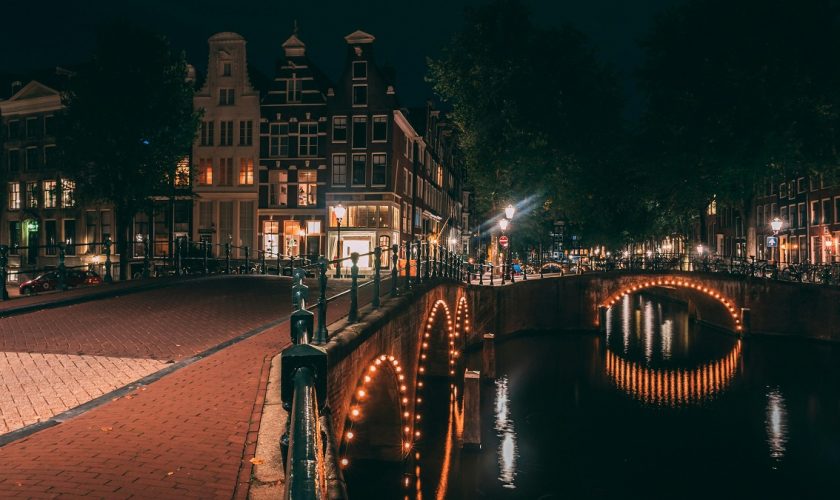
Do you want to see the beauty of Amsterdam? One of the most memorable ways to experience the city is from the water. The canals form the heart of Amsterdam and tell the story of centuries of trade, culture, and everyday life. From a boat you see the city from a calm and open perspective, far away from busy streets and crowded sidewalks.

Where walking or cycling shows you fragments of the city, a boat tour connects everything. Elegant canal houses, historic bridges, and quiet residential areas pass by effortlessly. It feels relaxed, intimate, and surprisingly personal, especially when you choose a private boat tour.

Why the canals are the best viewpoint

Amsterdam was built around its canals. They were designed not only for transport but also as a symbol of wealth and urban planning. From the water you notice details you might otherwise miss, such as ornate facades, hidden gardens, and houseboats that reflect modern city life.

A boat tour also gives you space to truly look around. You are not navigating traffic or searching for the right street. Instead, you can sit back and enjoy the rhythm of the city as it moves slowly past you.

The added value of a private boat tour

A private boat tour Amsterdam takes this experience to another level. Instead of sharing the boat with strangers, you enjoy the canals with your own group. This creates a more relaxed atmosphere and allows you to fully set the tone of the trip.

Privacy means flexibility. You can choose your preferred route, decide how long you want to stay on the water, and even ask the skipper to slow down at certain spots. Whether you want to focus on history, architecture, or simply enjoy the view with a drink in hand, the tour adapts to you.

Comfort and personal attention

Another major advantage of a private boat is comfort. The boat is not crowded, there is more space to sit comfortably, and you can move around freely. This is ideal for couples looking for a romantic moment, families wanting quality time together, or small groups celebrating a special occasion.

Smidtje Luxury Cruises adds an extra layer of refinement to a private boat tour through the canals of Amsterdam. Known for its elegant fleet and high level of service, this luxury concept focuses on comfort, style, and a fully personalized experience on the water. The boats are designed for small groups who value privacy and quality, making them ideal for romantic cruises, exclusive gatherings, or business occasions. Personal attention also plays a big role. A private skipper can share stories and insights tailored to your interests. This makes the experience more engaging and meaningful, rather than a standard tour with fixed commentary.

Perfect for every occasion

Private boat tours are suitable for many different moments. Think of a birthday, an anniversary, a business meeting, or simply a relaxed afternoon with friends. The calm setting of the canals creates a unique atmosphere that fits both festive and professional occasions.

Even if you have visited Amsterdam before, seeing it from a private boat offers a fresh perspective. It feels less like sightseeing and more like being part of the city itself.

read more
Destination

Tropical Destinations Perfect for Ultimate Relaxation

The relentless pace of modern life often leaves individuals feeling chronically exhausted and mentally depleted. Between endless digital notifications, demanding professional schedules, and the daily friction of urban living, the mind and body naturally crave a complete reset. While there are many ways to take a vacation, few environments induce deep relaxation as effectively as the tropics.

Tropical destinations possess a unique therapeutic quality. The combination of warm ocean breezes, the rhythmic sound of breaking waves, lush green landscapes, and a slower, more deliberate pace of life creates a natural sanctuary for the nervous system. Stepping off a plane into a warm, humid tropical climate instantly signals to the brain that it is time to slow down. If you are looking to escape the chaos of daily life and immerse yourself in an environment dedicated entirely to rest, rejuvenation, and tranquility, the following tropical paradises offer the ultimate setting for relaxation.

1. The Maldives: The Pinnacle of Secluded Luxury

For travelers whose ultimate definition of relaxation involves absolute privacy and pristine natural beauty, the Maldives remains the gold standard. This geographic marvel, located in the Indian Ocean, consists of more than one thousand coral islands grouped into double chains of atolls.

What sets the Maldives apart is its unique one island, one resort concept. Instead of crowded tourist strips and bustling public beaches, each luxury resort occupies its own private island. This layout guarantees an unparalleled level of tranquility and exclusivity.

The Elements of Maldivian Relaxation

  • Overwater Bungalows: These architectural marvels allow guests to live directly above the ocean. Sliding glass doors open to private sun decks, plunge pools, and direct staircases into clear, turquoise water.

  • Marine Serenity: The waters surrounding these islands are incredibly calm and transparent. Spending an afternoon snorkeling with sea turtles or simply watching colorful reef fish swim beneath the glass floor panels of your villa provides a form of natural meditation.

  • Bespoke Wellness: Resorts in the Maldives specialize in customized wellness programs, offering open-air pavilions where the sound of the ocean complements holistic massage therapies.

In the Maldives, the outside world ceases to exist. There are no traffic sounds, no crowded spaces, and no schedules to keep, making it the perfect destination for deep mental decompression.

2. Bora Bora, French Polynesia: Dramatic Landscapes and Calm Lagoons

Located in the South Pacific, Bora Bora is synonymous with tropical fantasy. While it shares the overwater bungalow concept with the Maldives, French Polynesia offers a completely different visual landscape. Bora Bora features a central, extinct volcano, Mount Otemanu, which rises dramatically out of a neon-blue lagoon.

The geography of the island creates a natural barrier against rough ocean waves. A protective coral reef encloses the entire island, resulting in a perfectly calm, shallow lagoon that resembles a massive, warm swimming pool.

The Relaxing Microclimate of Bora Bora

  • Gentle Waters: The lack of heavy surf means you can float endlessly in the lagoon or paddleboard across miles of glassy water without battling strong currents.

  • Motu Seclusion: Many of the top resorts are situated on motus, which are small islets formed by coral rubble and sand on the outer reef. These locations offer stunning views of the main island while maintaining total isolation from day-to-day boat traffic.

  • Polynesian Hospitality: The local culture emphasizes a concept known as laid-back living, encouraging visitors to adopt a unhurried pace from the moment they arrive.

The contrast between the sharp, emerald-green peaks of the island and the soft, multi-hued blue water creates a hypnotic visual environment that naturally eases stress.

3. Bali, Indonesia: Spiritual Wellness and Jungle Sanctuaries

While many tropical destinations rely entirely on beaches for relaxation, Bali offers a dual approach to tranquility. Known as the Island of the Gods, Bali combines beautiful coastal areas with a deeply spiritual, jungle-covered interior.

For ultimate relaxation, smart travelers head away from the crowded southern beach towns and journey north toward Ubud, the cultural and spiritual heart of the island. Ubud is nestled among rolling green hills, deep river gorges, and ancient stepped rice paddies.

Why Bali Restores the Mind and Body

  • Holistic Healing traditions: Bali is a global epicenter for wellness tourism. Visitors have access to thousands of yoga pavilions, meditation retreats, and traditional Balinese healing therapies that utilize indigenous herbs and spices.

  • Jungle Eco-Lodges: Staying in an open-air bamboo villa surrounded by the dense canopy of the rainforest allows you to fall asleep to the sounds of tropical rivers and wake up to the morning mist rising off the trees.

  • Cultural Mindfulness: The omnipresence of daily devotional rituals, beautiful stone temples, and traditional music creates a pervasive atmosphere of peace and gratitude that influences everyone who visits.

Bali is an ideal destination for travelers who want to pair physical relaxation with internal reflection, self-care, and creative inspiration.

4. Kaua’i, Hawaii: Raw Nature and Slow-Paced Island Life

For those who prefer a domestic or easily accessible tropical escape without sacrificing the feeling of total isolation, the Hawaiian island of Kaua’i is unmatched. Known as the Garden Isle, Kaua’i is the geologically oldest of the main Hawaiian islands.

Unlike Oahu or Maui, Kaua’i has resisted massive commercial development. Local ordinances prevent any building from being constructed taller than a coconut tree, preserving the natural skyline and preventing the destination from feeling crowded or overbuilt.

The Natural Therapy of the Garden Isle

  • The Na Pali Coast: This iconic coastline features towering emerald cliffs that plunge directly into the Pacific Ocean. Viewing this wilderness via a gentle catamaran cruise provides a deep sense of awe and perspective.

  • Hanalei Bay: A crescent-shaped bay on the northern shore backed by dramatic waterfalls, Hanalei offers a sleepy, historic town atmosphere where life revolves around the tides rather than commercial activities.

  • Unspoiled Wilderness: With over seventy percent of the island inaccessible by car, the air is incredibly clean, and the hiking trails lead to isolated valleys and pristine waterfalls where you can sit in absolute solitude.

Kaua’i appeals to the traveler who finds relaxation through raw, majestic nature, scenic drives, uncrowded beaches, and a genuine community atmosphere.

5. Seychelles: Granite Islands and Untouched Wildlife

Located off the coast of East Africa, the Seychelles archipelago consists of 115 islands scattered across the western Indian Ocean. What makes these islands unique are the massive, smooth pink and grey granite boulders that line the white-sand beaches, creating an otherworldly landscape found nowhere else on earth.

Seychelles is an exceptional destination for relaxation because large portions of the islands are strictly protected nature reserves. The absence of large-scale commercialization ensures that the beaches remain quiet, pristine, and wild.

Features of a Relaxing Seychellois Getaway

  • Anse Source d’Argent: Frequently cited as one of the most beautiful beaches in the world, the calm, shallow waters are shielded by a reef, making it a peaceful spot to spend an entire day floating and resting.

  • Endemic Wildlife: Relaxation here often includes quiet encounters with giant Aldabra tortoises that roam freely on several islands, or watching rare tropical birds fly through the pristine forests.

  • Island Hopping at a Slow Pace: Small, eco-friendly ferries connect the main islands of Mahé, Praslin, and La Digue, allowing travelers to transition seamlessly between different secluded pockets of paradise.

The absolute stillness, minimal foot traffic on the beaches, and unique geology make the Seychelles an incredible choice for escaping the modern grid.

Frequently Asked Questions

When is the best time of year to visit these tropical locations to ensure optimal weather for relaxation?

Weather patterns vary depending on the hemisphere and region. For the Maldives and the Seychelles, the ideal dry season typically runs from November to April, offering calm seas and low humidity. Bora Bora experiences its best weather during the South Pacific winter, from May to October. Bali is best visited during its dry season, which spans from April to October. Kaua’i remains pleasant year-round, though the summer months of June through September offer the calmest ocean conditions and lowest rainfall on the northern coast.

How do I avoid large crowds when traveling to popular tropical destinations?

To secure the quietest experience, plan your trip during the shoulder seasons. These are the transition periods right before or after the peak dry season. During these weeks, traveler volume drops significantly, yet the weather remains favorable. Additionally, choosing accommodations located further away from the main airport hubs or selecting smaller boutique eco-lodges rather than sprawling mega-resorts will ensure a much more peaceful and private environment.

Are tropical island destinations safe for solo travelers looking for a quiet retreat?

Yes, all the destinations highlighted in this article are considered safe for solo travelers. Places like the Maldives, French Polynesia, and the Seychelles have exceptionally low crime rates due to their isolated geography and tight-knit communities. Bali and Hawaii are well-equipped for independent travelers, featuring clear tourist infrastructure and welcoming cultures. Exercising standard travel vigilance and booking reputable accommodations ensures a secure and relaxing solo experience.

What should I pack for a luxury tropical vacation focused entirely on relaxation?

The key to a relaxing trip is packing light to minimize logistical stress. Focus on high-quality, breathable fabrics such as linen, organic cotton, and silk. Essential items include high-SPF biodegradable sunscreen to protect coral reefs, a wide-brimmed sun hat, polarized sunglasses, polarized UV swimwear, and slip-on footwear. Because these destinations prioritize casual elegance, you can comfortably leave formal attire, heavy shoes, and excessive jewelry at home.

How do overwater bungalows handle privacy from passing boats or neighboring villas?

Luxury resorts design their overwater villas with guest privacy as a central priority. Staggered layouts, angled architectural lines, and privacy privacy screens ensure that your sun deck remains shielded from neighboring units. Additionally, resorts typically position their premium villas facing outward toward the open ocean or deep lagoon, well away from boat transport channels and public walkways, ensuring your views remain private and undisturbed.

Is it necessary to get specialized vaccinations before traveling to these tropical destinations?

For standard resort stays in the Maldives, French Polynesia, Seychelles, and Hawaii, specialized vaccinations are generally not required beyond standard childhood immunizations. However, for travel to certain remote inland areas of Indonesia, healthcare providers may recommend precautions for preventable tropical illnesses. It is always recommended to consult a travel medicine clinic or check official government health advisories at least six weeks prior to departure to review current requirements.

read more
Camping

Why Millennials and Gen Z Love Camping More Than Ever

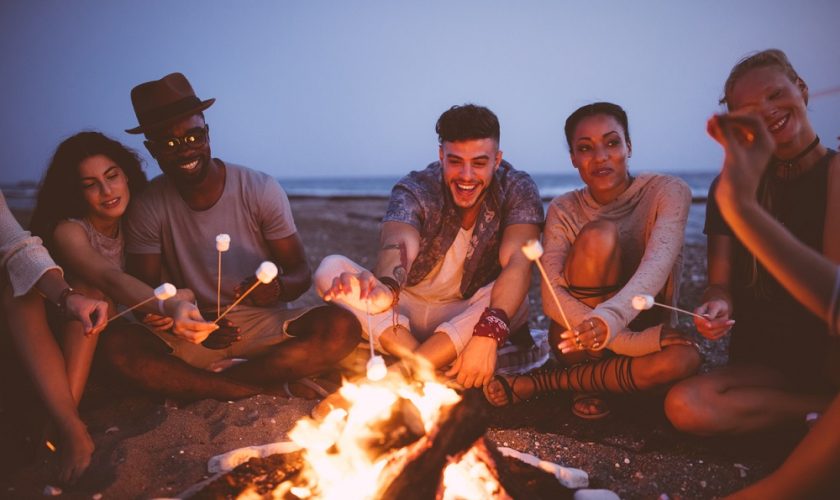
The stereotype of the traditional camper is undergoing a massive cultural shift. For decades, sleeping in tents and cooking over an open flame was largely viewed as the domain of older outdoorsmen, scout troops, or families seeking a low-budget vacation. However, recent demographic data shows a surprising reversal in this trend. The individuals packing up their vehicles with sleeping bags and heading into the wilderness today are overwhelmingly young.

Millennials and Generation Z have officially adopted camping as their preferred method of escape. Far from being a niche hobby, outdoor recreation has become a defining lifestyle trait for these two generations. This cultural pivot is not accidental. The surge in youth camping is driven by a unique combination of economic pressures, psychological needs, technological integration, and a fundamental shift in how younger people define a successful vacation.

1. The Digital Detox: Escaping the Always-On Culture

Millennials and Gen Z are the first generations to navigate adulthood alongside the total integration of smartphones, social media, and remote work. While these technological advancements offer immense convenience, they have also created an environment of permanent cognitive overload.

Younger adults face unprecedented levels of screen time, constant notifications, and the blurred boundaries of work-from-life balance brought on by the gig economy and remote employment. For these groups, camping serves as the ultimate remedy for digital burnout.

The Psychological Appeal of Disconnection

  • Silent Environments: The natural quiet of a forest or desert allows the nervous system to recover from the non-stop auditory and visual stimulation of urban environments.

  • Intentional Presence: Without the temptation to constantly check emails or scroll through algorithmic feeds, campers are forced to focus on immediate, tactile tasks like building a fire or preparing a meal.

  • Mental Clarity: Spending consecutive days away from screens has been shown to lower cortisol levels, reset circadian rhythms, and improve overall attention spans.

Stepping away from the cellular network is no longer viewed as an inconvenience. For Millennials and Gen Z, a lack of cell service is increasingly treated as a premium luxury amenity.

2. Financial Reality and the Economics of Travel

The economic landscape for younger generations looks vastly different than it did for their parents. Millennials have lived through multiple economic recessions, skyrocketing housing costs, and massive student loan debt. Gen Z faces a high cost of living, inflation, and a highly competitive job market.

Traditional vacationing has become cost-prohibitive for many young adults. When you factor in airfare, hotel stays, rental cars, and restaurant dining, a standard one-week vacation can easily cost thousands of dollars. Camping offers an elegant solution to this financial barrier.

Why Camping Makes Financial Sense

  • Low Accommodation Fees: State and national park campsites generally cost a fraction of the price of a single night in a standard hotel room.

  • Long-Term Equipment Value: Unlike an expensive resort stay that disappears once the trip ends, purchasing camping gear is a one-time investment. High-quality tents, sleeping pads, and stoves last for years, making subsequent trips incredibly inexpensive.

  • Affordable Food Preparation: Cooking your own meals over a campfire or camp stove eliminates the high cost of dining out at tourist-heavy destinations.

By choosing the outdoors, younger travelers can take multiple trips throughout the year without compromising their financial stability or accumulating credit card debt.

3. The Rejection of Materialism in Favor of Experiences

Sociological studies consistently show that Millennials and Gen Z value experiences far more than material possessions. The traditional markers of adulthood, such as buying a suburban home, purchasing luxury vehicles, or accumulating designer goods, carry less weight among today’s youth. Instead, social currency and personal identity are built on the memories you create and the places you explore.

Camping perfectly aligns with this experiential mindset. A weekend spent navigating a difficult trail, watching a sunrise over a mountain ridge, or stargazing in a designated dark-sky area feels far more authentic and enriching than sitting inside a commercialized resort. Younger generations look for stories, challenges, and genuine interactions, all of which are found in abundance when living unsheltered in nature.

4. The Rise of Hipcamp, Car Camping, and Accessible Outdoors

The outdoor industry has actively modernized to cater to the preferences of younger consumers. The barrier to entry for camping used to be quite high, requiring specialized knowledge, heavy backpacks, and a willingness to completely rough it. Today, technology and design innovations have made camping highly accessible.

Platforms like Hipcamp have revolutionized campsite booking by allowing private landowners to list unique properties, much like Airbnb does for houses. Campers can now easily book a stay on an organic vineyard, a secluded animal sanctuary, or a private beach.

Furthermore, the rise of car camping, overlanding, and customized camper vans has eliminated the need to carry heavy gear over long distances. Modern gear is lighter, more intuitive to set up, and aesthetically designed, making the transition from the living room to the campsite seamless for beginners.

5. Environmental Consciousness and Eco-Tourism

Gen Z and Millennials are deeply invested in environmental activism and sustainability. They are highly conscious of the carbon footprint associated with commercial aviation and mega-resorts, which often exploit local resources and disrupt native ecosystems.

Camping is inherently a form of low-impact eco-tourism. When practiced correctly under Leave No Trace principles, camping allows individuals to enjoy a destination without leaving a permanent destructive mark behind.

Sustainable Practices Embraced by Young Campers

  • Local Travel Focus: Many younger campers choose destinations within a three-to-five-hour drive of their homes, significantly reducing carbon emissions compared to flying.

  • Support for Public Lands: Campsite fees and park passes directly fund the conservation and maintenance of national parks, state forests, and wildlife refuges.

  • Minimalist Living: The practice of packing only what you need and managing your own waste fosters a deep, practical appreciation for resource conservation that carries over into daily life.

For these eco-conscious generations, spending time in nature reinforces their commitment to protecting the planet. It converts environmentalism from an abstract concept into a deeply personal cause.

Frequently Asked Questions

Do younger campers completely abandon technology while at a campsite?

While the goal is often a digital detox, Millennials and Gen Z rarely abandon technology entirely. Instead, they practice intentional connectivity. They utilize smartphones for vital utility purposes, such as downloading offline GPS trail maps, checking real-time weather alerts, and using stargazing applications. Portable solar panels and high-capacity power banks are common gear items, ensuring that devices remain functional for safety and navigation while keeping non-essential apps muted.

How has the definition of camping comfort changed for these generations?

The old philosophy that camping must be uncomfortable to be authentic has largely been discarded. Younger campers actively embrace comfort innovations, often blending traditional camping with elements of glamping. It is common to see campsites equipped with ergonomic inflatable sleeping pads, lightweight down quilts instead of restrictive sleeping bags, portable espresso makers, and high-quality camp chairs designed for extended lounging. Comfort is viewed as a way to prolong outdoor stays rather than a sign of weakness.

How do younger urban residents without cars participate in camping?

Urban youth have developed creative workarounds to overcome a lack of vehicle ownership. Ridesharing, car-rental apps, and gear-rental services allow city dwellers to access campgrounds without the financial burden of car ownership. Additionally, there is a growing movement toward primitive camping via public transit, where backpackers utilize trains or long-distance buses to reach trailheads located on the periphery of major metropolitan areas.

What role does diversity and inclusion play in the modern camping movement?

Historically, outdoor recreation in Western countries lacked diverse representation. Millennials and Gen Z are actively changing this dynamic by forming grassroots organizations, online communities, and social clubs dedicated to making the outdoors safe and accessible for people of all racial backgrounds, gender identities, and physical abilities. This cultural shift has prompted the outdoor industry to feature more inclusive representation in marketing and to design gear that fits a wider variety of body types.

How do younger campers handle remote work responsibilities while outdoors?

The rise of flexible and remote work has given birth to the mobile worker camper. Armed with reliable portable Wi-Fi hotspots, satellite internet systems like Starlink, and robust power stations, many young professionals extend their camping trips into the workweek. They operate from picnic tables or the back of converted vans during the day and enjoy the campfire at night, creating a lifestyle that blends professional productivity with outdoor exploration.

Are wild animals and personal safety a significant concern for new campers?

Safety is a priority for younger campers, who tend to approach the wilderness with education rather than fear. Before heading out, modern campers utilize online forums, video tutorials, and park ranger updates to learn how to properly store food in bear-proof containers, identify local venomous flora and fauna, and manage wilderness first aid. Traveling in groups or camping in established state parks with active host programs also helps mitigate personal safety anxieties for beginners.

read more