
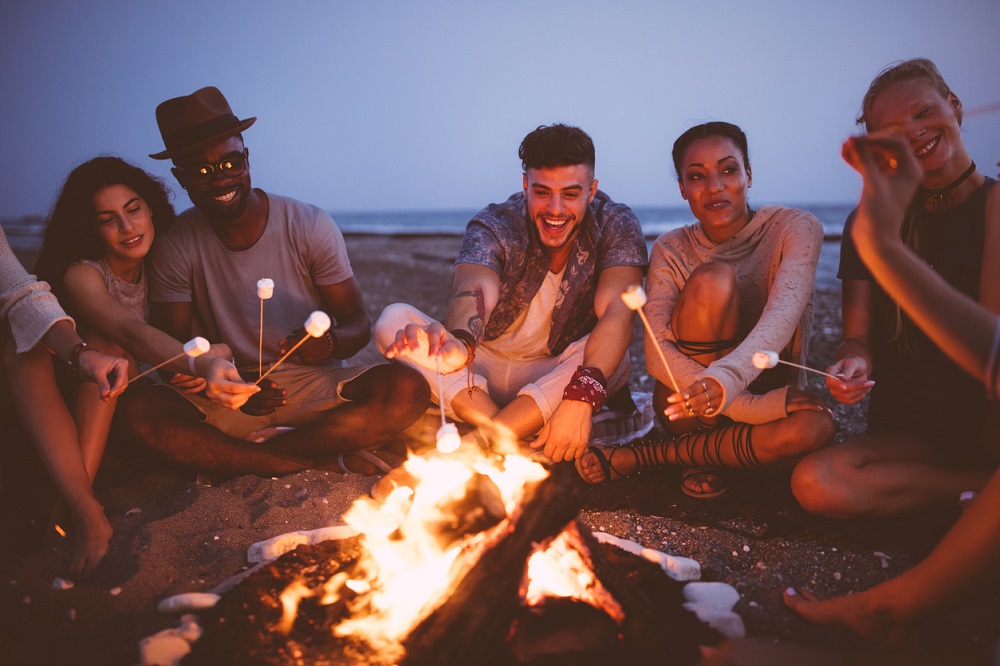
The stereotype of the traditional camper is undergoing a massive cultural shift. For decades, sleeping in tents and cooking over an open flame was largely viewed as the domain of older outdoorsmen, scout troops, or families seeking a low-budget vacation. However, recent demographic data shows a surprising reversal in this trend. The individuals packing up their vehicles with sleeping bags and heading into the wilderness today are overwhelmingly young.
Millennials and Generation Z have officially adopted camping as their preferred method of escape. Far from being a niche hobby, outdoor recreation has become a defining lifestyle trait for these two generations. This cultural pivot is not accidental. The surge in youth camping is driven by a unique combination of economic pressures, psychological needs, technological integration, and a fundamental shift in how younger people define a successful vacation.
1. The Digital Detox: Escaping the Always-On Culture
Millennials and Gen Z are the first generations to navigate adulthood alongside the total integration of smartphones, social media, and remote work. While these technological advancements offer immense convenience, they have also created an environment of permanent cognitive overload.
Younger adults face unprecedented levels of screen time, constant notifications, and the blurred boundaries of work-from-life balance brought on by the gig economy and remote employment. For these groups, camping serves as the ultimate remedy for digital burnout.
The Psychological Appeal of Disconnection
-
Silent Environments: The natural quiet of a forest or desert allows the nervous system to recover from the non-stop auditory and visual stimulation of urban environments.
-
Intentional Presence: Without the temptation to constantly check emails or scroll through algorithmic feeds, campers are forced to focus on immediate, tactile tasks like building a fire or preparing a meal.
-
Mental Clarity: Spending consecutive days away from screens has been shown to lower cortisol levels, reset circadian rhythms, and improve overall attention spans.
Stepping away from the cellular network is no longer viewed as an inconvenience. For Millennials and Gen Z, a lack of cell service is increasingly treated as a premium luxury amenity.
2. Financial Reality and the Economics of Travel
The economic landscape for younger generations looks vastly different than it did for their parents. Millennials have lived through multiple economic recessions, skyrocketing housing costs, and massive student loan debt. Gen Z faces a high cost of living, inflation, and a highly competitive job market.
Traditional vacationing has become cost-prohibitive for many young adults. When you factor in airfare, hotel stays, rental cars, and restaurant dining, a standard one-week vacation can easily cost thousands of dollars. Camping offers an elegant solution to this financial barrier.
Why Camping Makes Financial Sense
-
Low Accommodation Fees: State and national park campsites generally cost a fraction of the price of a single night in a standard hotel room.
-
Long-Term Equipment Value: Unlike an expensive resort stay that disappears once the trip ends, purchasing camping gear is a one-time investment. High-quality tents, sleeping pads, and stoves last for years, making subsequent trips incredibly inexpensive.
-
Affordable Food Preparation: Cooking your own meals over a campfire or camp stove eliminates the high cost of dining out at tourist-heavy destinations.
By choosing the outdoors, younger travelers can take multiple trips throughout the year without compromising their financial stability or accumulating credit card debt.
3. The Rejection of Materialism in Favor of Experiences
Sociological studies consistently show that Millennials and Gen Z value experiences far more than material possessions. The traditional markers of adulthood, such as buying a suburban home, purchasing luxury vehicles, or accumulating designer goods, carry less weight among today’s youth. Instead, social currency and personal identity are built on the memories you create and the places you explore.
Camping perfectly aligns with this experiential mindset. A weekend spent navigating a difficult trail, watching a sunrise over a mountain ridge, or stargazing in a designated dark-sky area feels far more authentic and enriching than sitting inside a commercialized resort. Younger generations look for stories, challenges, and genuine interactions, all of which are found in abundance when living unsheltered in nature.
4. The Rise of Hipcamp, Car Camping, and Accessible Outdoors
The outdoor industry has actively modernized to cater to the preferences of younger consumers. The barrier to entry for camping used to be quite high, requiring specialized knowledge, heavy backpacks, and a willingness to completely rough it. Today, technology and design innovations have made camping highly accessible.
Platforms like Hipcamp have revolutionized campsite booking by allowing private landowners to list unique properties, much like Airbnb does for houses. Campers can now easily book a stay on an organic vineyard, a secluded animal sanctuary, or a private beach.
Furthermore, the rise of car camping, overlanding, and customized camper vans has eliminated the need to carry heavy gear over long distances. Modern gear is lighter, more intuitive to set up, and aesthetically designed, making the transition from the living room to the campsite seamless for beginners.
5. Environmental Consciousness and Eco-Tourism
Gen Z and Millennials are deeply invested in environmental activism and sustainability. They are highly conscious of the carbon footprint associated with commercial aviation and mega-resorts, which often exploit local resources and disrupt native ecosystems.
Camping is inherently a form of low-impact eco-tourism. When practiced correctly under Leave No Trace principles, camping allows individuals to enjoy a destination without leaving a permanent destructive mark behind.
Sustainable Practices Embraced by Young Campers
-
Local Travel Focus: Many younger campers choose destinations within a three-to-five-hour drive of their homes, significantly reducing carbon emissions compared to flying.
-
Support for Public Lands: Campsite fees and park passes directly fund the conservation and maintenance of national parks, state forests, and wildlife refuges.
-
Minimalist Living: The practice of packing only what you need and managing your own waste fosters a deep, practical appreciation for resource conservation that carries over into daily life.
For these eco-conscious generations, spending time in nature reinforces their commitment to protecting the planet. It converts environmentalism from an abstract concept into a deeply personal cause.
Frequently Asked Questions
Do younger campers completely abandon technology while at a campsite?
While the goal is often a digital detox, Millennials and Gen Z rarely abandon technology entirely. Instead, they practice intentional connectivity. They utilize smartphones for vital utility purposes, such as downloading offline GPS trail maps, checking real-time weather alerts, and using stargazing applications. Portable solar panels and high-capacity power banks are common gear items, ensuring that devices remain functional for safety and navigation while keeping non-essential apps muted.
How has the definition of camping comfort changed for these generations?
The old philosophy that camping must be uncomfortable to be authentic has largely been discarded. Younger campers actively embrace comfort innovations, often blending traditional camping with elements of glamping. It is common to see campsites equipped with ergonomic inflatable sleeping pads, lightweight down quilts instead of restrictive sleeping bags, portable espresso makers, and high-quality camp chairs designed for extended lounging. Comfort is viewed as a way to prolong outdoor stays rather than a sign of weakness.
How do younger urban residents without cars participate in camping?
Urban youth have developed creative workarounds to overcome a lack of vehicle ownership. Ridesharing, car-rental apps, and gear-rental services allow city dwellers to access campgrounds without the financial burden of car ownership. Additionally, there is a growing movement toward primitive camping via public transit, where backpackers utilize trains or long-distance buses to reach trailheads located on the periphery of major metropolitan areas.
What role does diversity and inclusion play in the modern camping movement?
Historically, outdoor recreation in Western countries lacked diverse representation. Millennials and Gen Z are actively changing this dynamic by forming grassroots organizations, online communities, and social clubs dedicated to making the outdoors safe and accessible for people of all racial backgrounds, gender identities, and physical abilities. This cultural shift has prompted the outdoor industry to feature more inclusive representation in marketing and to design gear that fits a wider variety of body types.
How do younger campers handle remote work responsibilities while outdoors?
The rise of flexible and remote work has given birth to the mobile worker camper. Armed with reliable portable Wi-Fi hotspots, satellite internet systems like Starlink, and robust power stations, many young professionals extend their camping trips into the workweek. They operate from picnic tables or the back of converted vans during the day and enjoy the campfire at night, creating a lifestyle that blends professional productivity with outdoor exploration.
Are wild animals and personal safety a significant concern for new campers?
Safety is a priority for younger campers, who tend to approach the wilderness with education rather than fear. Before heading out, modern campers utilize online forums, video tutorials, and park ranger updates to learn how to properly store food in bear-proof containers, identify local venomous flora and fauna, and manage wilderness first aid. Traveling in groups or camping in established state parks with active host programs also helps mitigate personal safety anxieties for beginners.


