
close

April 2026

Vacation

Why Short Vacations Can Feel Surprisingly Refreshing

The collective belief surrounding time off has long been dominated by a specific philosophy: bigger is always better. For decades, the gold standard of travel planning involved saving up vacation days for a singular, massive two-week getaway once a year. It was assumed that a prolonged period away from the office was the only way to truly decompress, reset the mind, and return to work feeling genuinely motivated.

However, modern lifestyle shifts and psychological research have begun to challenge this long-held assumption. Many individuals return from extended trips feeling exhausted by the complex logistics, jet lag, and the intimidating mountain of catch-up work waiting for them upon their return.

As a result, a growing movement is prioritizing short vacations, often referred to as micro-vacations or weekend getaways. Taking a short, well-structured trip consisting of three to four days can provide a surprisingly powerful psychological reset. These brief escapes frequently match, or even exceed, the restorative benefits of long trips without the associated stress, financial strain, and administrative burden.

1. The Peak-End Rule and Vacation Psychology

To understand why a short vacation can feel so incredibly refreshing, it is necessary to examine how the human brain constructs, stores, and evaluates memories. Psychologists have long studied a cognitive bias known as the peak-end rule. This principle states that when people judge an experience, they do not look at the mathematical average of every single moment. Instead, the human brain evaluates an event based primarily on two specific points: the most intense emotional point of the experience, known as the peak, and how the experience concluded, known as the end.

How the Brain Processes Travel Duration

  • The Novelty Spike: The first few days of any trip are naturally packed with a high density of novel experiences, sensory stimulation, and elevated dopamine levels. This creates an immediate emotional peak.

  • The Law of Diminishing Returns: On a prolonged vacation, the sense of novelty inevitably wears off by day six or seven. The environment becomes familiar, and the daily activities start to feel like a new, albeit relaxed, routine.

  • The Return Decline: On an extended holiday, the final days are frequently overshadowed by pre-vacation anxiety regarding the return home, packing logistics, and work-related dread, which dampens the end of the memory.

Because a short vacation concludes while the sense of novelty is still at its absolute highest, the brain catalogs the entire experience as an unalloyed success. The memory remains crisp, vibrant, and highly restorative, providing a psychological lift that punches far above its weight class.

2. The Elimination of Post-Vacation Work Dread

One of the most significant drawbacks of taking a lengthy vacation is the steep price paid upon re-entering daily life. Spending two weeks away from your professional responsibilities generally results in hundreds of unread emails, missed project updates, and a mountain of urgent tasks. The sheer anxiety of facing this administrative backlog can completely erase any sense of relaxation within the first forty-eight hours of returning to the office.

Short vacations elegant solve this problem. A three-day trip, which might only require taking a single Friday or Monday off, ensures that you are never away from your workflow long enough to miss critical developments.

Your inbox remains manageable, your projects do not stall, and you do not return to a workplace crisis. Because the transition back to work is smooth and effortless, you are able to retain the mental clarity and stress-reduction benefits of your time off for weeks afterward.

3. High Density of Experience vs. Passive Time Overload

When travelers have an abundance of time on an extended vacation, they often fall into the trap of passive time management. It becomes easy to spend entire days sleeping in, scrolling on phones in a hotel room, or wandering aimlessly through highly commercialized tourist areas. While there is value in doing nothing, excessive passivity can sometimes lead to boredom or a feeling of wasted time.

Short vacations force an intentional shift in mindset. Because time is a scarce and precious resource, travelers approach micro-vacations with a heightened sense of clarity and purpose.

Every meal choice is researched, every afternoon activity is curated, and there is a conscious effort to remain present in the moment. This high density of purposeful experience ensures that you pack a wealth of meaningful memories into a brief window, leaving you feeling profoundly enriched when you return home.

4. Lower Financial Pressure and Freedom to Indulge

Financial anxiety is a silent killer of vacation relaxation. When planning a massive, multi-week trip, the cumulative costs of flights, multiple hotel nights, daily restaurant dining, and tours can create a heavy financial burden. Travelers often find themselves micromanaging budgets during the trip, which introduces friction and stress into what is supposed to be a relaxing escape.

Micro-vacations inherently carry a much lower baseline cost, which opens up opportunities for intentional indulgence. Because you are only paying for two or three nights of accommodation rather than fourteen, you can often afford to stay at a higher-quality boutique property or a luxury eco-lodge that would be cost-prohibitive for a long stay.

You can dine at exceptional restaurants, book premium spa treatments, or hire private local guides without feeling guilty about the overall expense. This ability to treat yourself without financial worry heavily contributes to the deep feeling of refreshment that short trips provide.

5. The Power of Frequent Anticipation

Behavioral economists have discovered that one of the happiest parts of any vacation occurs long before the trip actually begins: the anticipation phase. The simple act of looking forward to a getaway provides a measurable boost to daily happiness and workplace productivity. Planning, dreaming, and counting down the days acts as a powerful buffer against everyday stressors.

By shifting your travel philosophy away from a singular annual trip toward a series of frequent short vacations, you multiply this anticipation effect throughout the calendar year. Instead of enduring twelve months of routine for one block of time off, you are never more than a few weeks away from your next mini-escape. This creates a sustainable lifestyle rhythm where brief periods of focused work are consistently punctuated by short bursts of refreshing exploration.

Frequently Asked Questions

What is the ideal length of time for a micro-vacation to feel truly effective?

Psychological studies and travel patterns suggest that the optimal duration for a short vacation is three to four days. This typically involves leveraging a long weekend by taking a single Friday or Monday off. This timeframe provides sufficient time to transition out of work mode, experience two full days of total immersion in a new environment, and return home without experiencing travel fatigue.

How far should I travel for a short vacation to maximize relaxation?

To prevent travel time from consuming your vacation, a good rule of thumb is to limit transit to under four hours of total travel time. This makes regional road trips or short, direct domestic flights ideal. Minimizing airport wait times and avoiding long driving distances ensures that you arrive at your destination with your energy intact, rather than spending your limited time off recovering from the journey itself.

Can a staycation in my own city provide the same refreshing benefits as a short trip away?

Yes, a staycation can be highly refreshing, provided you strictly enforce a change in environment and routine. To make a staycation effective, you must treat your city like a tourist. This means booking a room at a local boutique hotel, avoiding all household chores, turning off work notifications, and exploring neighborhoods, parks, and restaurants you have never visited before. The key is psychological novelty, not necessarily geographical distance.

How do I prevent a short vacation from feeling rushed or overly packed?

The secret to a successful short vacation is intentional editing. Rather than trying to see every landmark in a new city, pick one or two primary experiences per day and leave the remaining hours open for spontaneous exploration, leisurely meals, and rest. Focus on the quality of your engagement with a place rather than the quantity of attractions checked off an itinerary.

Are short vacations suitable for families with young children?

Short vacations can be exceptionally beneficial for families because they drastically reduce the logistical complexity of family travel. Children often struggle with the disruptions to sleeping and eating schedules that come with long-distance travel. A short weekend trip to a nearby cabin, state park, or beach town provides family bonding time and outdoor exploration without the meltdowns and exhaustion associated with long flights and changing time zones.

How can I make the transition back to work seamless after a brief getaway?

To preserve the refreshing benefits of a short trip, build a buffer day or evening into your schedule. Avoid returning home late Sunday night right before a Monday morning shift. Instead, return Sunday afternoon to allow time for unpacking, organizing your living space, and mentally preparing for the week ahead. Additionally, set an out-of-office email responder for the day of your return to give yourself a few hours to catch up before actively taking on new meetings.
read more
Travel

Dream Vacation Ideas for Every Type of Traveler

Travel is an deeply personal endeavor. What constitutes a perfect escape for one person can feel like an exhausting chore to another. While some people dream of sitting on a silent beach with a book, others feel alive only when navigating a bustling night market or trekking across a glacier. The global travel landscape has diversified immensely, ensuring that no matter your personality, budget, or physiological needs, there is a destination designed to fulfill your specific version of a dream vacation.

To plan a truly successful trip, you must first understand your personal travel archetype. Matching your internal motivations with the right geographic location and pace of travel turns a standard holiday into a transformative experience. The following curated travel concepts outline the ultimate dream vacations for the world’s most distinct types of travelers.

1. The Adventure Seeker: Patagonia, Chile and Argentina

For travelers who define a vacation by adrenaline spikes, physical exertion, and awe-inspiring natural landscapes, the jagged peaks of Patagonia represent the ultimate frontier. Spanning the southern regions of Chile and Argentina, this vast wilderness features massive glaciers, deep fjords, and wind-swept steppes.

High-Octane Experiences in Patagonia

  • The W Trek: Located in Torres del Paine National Park, this world-famous multi-day hike takes travelers through granite towers, emerald lakes, and massive ice fields.

  • Ice Trekking on Perito Moreno: Strapping on steel crampons to walk directly across the deep blue crevasses of an active, advancing glacier offers an unparalleled connection to earth’s geological forces.

  • Navigating the Chilean Fjords: Kayaking through cold, remote waterways alongside calving glaciers and native marine life provides a truly immersive wilderness experience.

Patagonia appeals to travelers who find mental clarity through physical effort. The demanding climate and rugged terrain guarantee that you return home with a profound sense of accomplishment.

2. The Cultural Immersion Specialist: Kyoto, Japan

Some travelers use their vacation time to step completely outside their comfort zones and study human history, philosophy, and ancient traditions. For the culturally curious explorer, Kyoto serves as the historic and spiritual heart of Japan, preserving centuries of artistic and architectural heritage.

Kyoto escaped major destruction during the twentieth century, allowing thousands of classical Buddhist temples, Shinto shrines, and traditional wooden townhouses to remain completely intact.

How to Practice Cultural Mindfulness in Kyoto

  • Temple Meditation: Spending a morning practicing silent zazen meditation inside a historic Zen temple, overlooked by a meticulously raked gravel rock garden, restores mental focus.

  • The Art of the Tea Ceremony: Participating in a formal chado demonstration teaches the concepts of harmony, respect, purity, and tranquility through the highly disciplined preparation of matcha.

  • Exploring Historic Gion: Walking down the preservation districts at dusk allows travelers to observe traditional architecture and appreciate the highly guarded arts of the geisha community.

Kyoto is an ideal destination for those who want a slow-paced vacation filled with intellectual depth, artistic precision, and spiritual reflection.

3. The Ultimate Relaxer: The Amalfi Coast, Italy

For a specific archetype of traveler, the perfect vacation involves the total elimination of schedules, chores, and physical stress. The goal is pure sensory pleasure, aesthetic beauty, and leisurely indulgence. Italy’s Amalfi Coast masters this philosophy through a concept known as the sweetness of doing nothing.

The dramatic cliffs of the Campania region drop directly into the Mediterranean Sea, dotted with pastel-colored fishing villages, terraced lemon orchards, and historic cliffside boutique hotels.

The Ingredients of Amalfi Relaxation

  • Leisurely Coastal Boat Charters: Spending a full day on a private wooden boat, floating inside hidden sea caves and swimming in deep blue water away from public beaches.

  • Terrace Gastronomy: Enjoying multi-hour lunches consisting of fresh seafood, handmade pasta, and regional white wine while overlooking panoramic ocean vistas.

  • Pedestrian Wandering: Exploring the steep, narrow stairways of towns like Positano or Ravello at a relaxed pace, stopping for artisanal gelato or handmade linen shopping.

The Amalfi Coast caters to travelers who want to slow down time, pamper their senses, and live in a postcard-perfect visual environment.

4. The Eco-Conscious Wildlife Lover: The Galapagos Islands, Ecuador

For passionate nature lovers and environmentalists, a dream vacation means witnessing wildlife in its purest, most undisturbed state. Located six hundred miles off the coast of Ecuador, the volcanic Galapagos Islands serve as a living laboratory of evolutionary biology.

Because the islands are strictly protected and human habitation is severely limited, the native animals have no instinctual fear of humans. This creates unique opportunities for intimate wildlife encounters.

Unparalleled Nature Encounters

  • Snorkeling with Sea Lions: Swimming through clear volcanic channels alongside playful sea lion pups, marine iguanas feeding on sea algae, and gentle green sea turtles.

  • Observing Giant Tortoises: Hiking through the humid highlands of Santa Cruz Island to watch prehistoric giant tortoises move through their natural migratory paths.

  • Birdwatching Iconic Species: Walking along lava fields to view unique courtship dances of blue-footed boobies and the massive nesting colonies of frigatebirds.

A vacation to the Galapagos is deeply educational and humbling, reminding travelers of the importance of global conservation efforts and the delicate balance of remote ecosystems.

5. The Multi-Generational Family Traveler: Costa Rica

Planning a trip that satisfies the curiosity of a seven-year-old child, the budget of a thirty-something professional, and the mobility needs of a seventy-year-old grandparent is a significant logistical challenge. Costa Rica has become the world leader in family travel because its geography accommodates all paces of life simultaneously.

Known for its peaceful democracy and commitment to sustainability, this Central American nation features beaches, rainforests, and active volcanoes in close proximity.

Multi-Generational Activities in Costa Rica

  • Accessible Rainforest Boardwalks: Many national parks and private reserves feature flat, paved hanging bridges that allow travelers of all mobility levels to view sloths and toucans in the rainforest canopy.

  • Volcanic Hot Springs: Resorts surrounding the Arenal Volcano offer natural, geothermally heated mineral pools of varying temperatures, providing fun for children and deep relaxation for older adults.

  • Calm Coastal Waters: Destinations like the Papagayo Peninsula feature protected bays with minimal surf, ensuring a safe, relaxing environment for swimming, paddleboarding, and family beach picnics.

Costa Rica eliminates family travel friction by offering robust infrastructure, widespread English fluency, and an infectious national philosophy centered on enjoying life to the fullest.

Frequently Asked Questions

How can a solo traveler ensure safety when booking an adventure vacation?

Solo adventure travelers should prioritize destinations with highly developed outdoor emergency networks and reputable guide services. Before departure, register your itinerary with your national embassy, purchase comprehensive travel insurance that explicitly covers high-risk outdoor activities, and download reliable offline GPS tracking maps. Joining small-group adventure tours is also an excellent way to experience remote wilderness areas with professional logistical backup while maintaining independence.

What is the best strategy for balancing a vacation when partners have different travel styles?

The most effective approach to a mixed-style vacation is compromise via structured split scheduling. Instead of forcing one partner to adopt the other’s style for the entire trip, design an itinerary that alternates activity days. For example, spend two days participating in active city walking tours or hiking, followed by two days dedicated entirely to resort relaxation or spa treatments. Allocating independent afternoons where each person pursues their own passion also prevents vacation resentment.

Are eco-tourism destinations accessible for travelers operating on a modest budget?

Yes, sustainable travel is entirely possible on a budget. While high-end luxury eco-lodges receive the most media attention, many conservation-minded destinations offer community-based tourism initiatives. Travelers can book stays at locally owned guesthouses, participate in public transport networks, and hire independent local park guides. This approach minimizes your environmental footprint and ensures your money directly benefits the local economy, often costing significantly less than commercial resorts.

How early should someone begin planning a vacation to a highly regulated destination like the Galapagos?

For highly regulated ecosystems or iconic historic routes, you should ideally begin the planning process nine to twelve months in advance. The government limits the number of visitors and specify strict boat cruise itineraries to prevent environmental degradation. Securing permits, booking certified naturalist guides, and obtaining lodging during peak dry seasons requires early action to avoid compromising your travel dates.

What steps can travelers take to minimize jet lag on long-distance cultural journeys?

To mitigate the physical toll of changing multiple time zones, begin adjusting your sleep schedule progressively three days before your departure. Once you board the airplane, immediately reset your watch to the local time of your destination and align your eating and sleeping patterns accordingly. Upon arrival, maximize your exposure to natural sunlight and engage in light physical movement to help synchronize your internal circadian rhythms with the new environment.

Why is Costa Rica considered safer for families than other tropical international options?

Costa Rica stands out due to its long history of political stability, high literacy rates, and exceptional healthcare system. The nation famously abolished its military in 1948, redirecting national funds toward public education, environmental conservation, and medical infrastructure. This investment has created a safe, welcoming domestic environment with low rates of violent crime, making it a highly reliable choice for international family travel.

read more
Travel

Why Travel Lovers Are Avoiding Crowded Tourist Spots

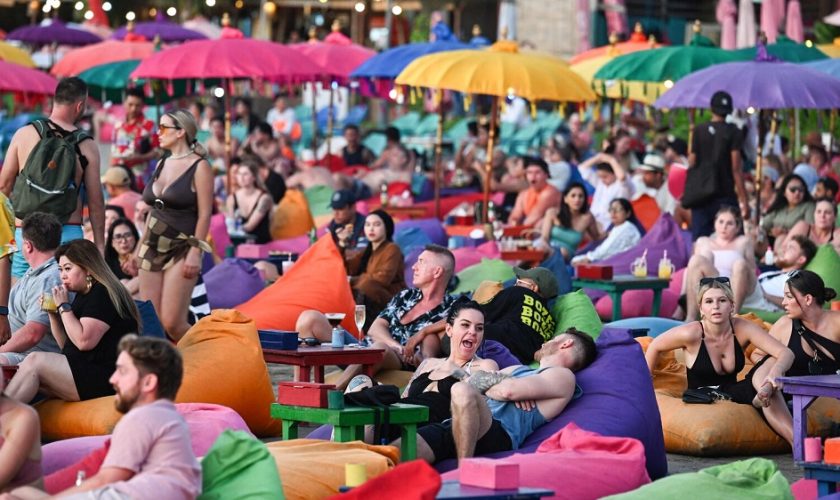
The global travel landscape has reached a critical tipping point. For decades, the ultimate travel bucket list was remarkably uniform. Aspiring globetrotters saved their money to stand in massive lines outside the Louvre in Paris, crowd onto the viewing platforms of the Empire State Building in New York, or navigate the congested pathways of Venice. Checking off these iconic landmarks was long considered the definitive marker of a successful trip.

Today, a profound shift is occurring among passionate travel lovers. The desire to visit mainstream hotspots is rapidly declining, replaced by a growing movement toward alternative destinations, secondary cities, and remote wilderness areas. Dedicated travelers are actively bypassing famous landmarks, not because those places have lost their historical or cultural value, but because the experience of visiting them has become fundamentally broken. The modern rejection of crowded tourist hubs is driven by a desire to escape overtourism, reconnect with authenticity, protect fragile ecosystems, and reclaim the mental peace that travel is supposed to provide.

1. The Nightmare of Overtourism and Broken Infrastructure

The primary catalyst driving travelers away from mainstream hubs is overtourism. The explosion of global tourism, fueled by low-cost commercial airlines, short-term vacation rentals, and a burgeoning global middle class, has pushed iconic cities far past their physical carrying capacities.

When a destination becomes overcrowded, the infrastructure that supports daily life begins to fracture. For the traveler, this transforms a dream vacation into an exhausting exercise in crowd management and logistics.

The Daily Friction of Overcrowded Hubs

  • Gridlocked Transportation: Navigating public transit in overtourism capitals often means packing into sweltering subway cars or standing in multi-hour lines just to board a regional bus or ferry.

  • Aggressive Reservation Systems: Visiting a major hotspot now requires a level of micromanagement that eliminates all spontaneity. Travelers must book entry time slots months in advance for museums, parks, and even standard restaurants.

  • Inflated Premium Pricing: Excessive demand has driven the cost of basic accommodations, dining, and activities to astronomical levels in popular centers, offering travelers a very low return on investment.

True travel lovers look for inspiration and relaxation. When a destination feels more like a congested theme park than a living city, the magic of exploration vanishes entirely.

2. The Search for Authentic Cultural Connections

A major casualty of mass tourism is the erosion of local culture. When an area becomes flooded with millions of visitors annually, the neighborhood identity inevitably shifts to cater to the lowest common denominator of tourism. Authentic local businesses, artisan workshops, and neighborhood grocery stores are systematically replaced by generic souvenir shops, international fast-food chains, and look-alike cafes.

Dedicated travel lovers seek out unique immersion and cultural exchange. They want to experience how a community actually lives, cooks, speaks, and interacts outside the tourist industry.

By avoiding crowded hotspots, travelers can visit destinations where they are treated as guests rather than economic commodities. In secondary cities or rural villages, interactions with residents are grounded in genuine hospitality, allowing for meaningful conversations and a deeper, more accurate understanding of the regional culture.

3. The Digital Distortion of the Instagram Effect

The rise of visual social media platforms completely altered how people choose travel destinations. For nearly a decade, algorithms promoted a highly curated, homogenized version of travel. Users flocked to the exact same cliffs in Bali, the same rooftops in Cappadocia, and the same viewpoint in Santorini to capture an identical photograph.

This digital herd mentality has backfired. Travelers are discovering that the reality of these locations looks nothing like the edited, solitary images displayed on social feeds.

The serene, romantic overlook from the photo is actually surrounded by hundreds of shouting tourists holding selfie sticks, all waiting in an organized queue to stand in the exact same spot. This revelation has caused a major cultural backlash. Sophisticated travelers now view heavily geotagged locations with skepticism, choosing instead to find beauty in places that have not been distorted by viral internet trends.

4. Prioritizing Mental Health, Silence, and Decompression

The core purpose of a vacation is to reset the nervous system, lower stress levels, and take a break from the frantic pace of modern working life. However, entering a hyper-tourist environment often induces the exact opposite effect.

Navigating dense crowds, enduring constant auditory pollution, and dealing with aggressive street vendors triggers the body’s stress responses, leaving travelers feeling more depleted when they return home than when they departed.

The movement toward uncrowded, alternative destinations is fundamentally a mental health choice. Travel lovers are increasingly choosing quiet mountain villages, secluded coastal towns, or lesser-known national parks where the dominant sounds are wind, water, and wildlife. This acoustic and visual silence allows for true cognitive restoration, mindfulness, and deep relaxation.

5. Environmental Consciousness and Ethical Tourism

Modern travelers are far more aware of their environmental and social footprint than previous generations. They understand that mass tourism inflicts severe damage on historic structures, strains local water supplies, generates unmanageable amounts of plastic waste, and drives up housing costs to the point where native residents are priced out of their own neighborhoods.

Avoiding crowded spots is a practical application of responsible eco-tourism. By intentionally diverting their travel dollars to lesser-known destinations, travelers help distribute economic benefits more equitably across a country rather than concentrating wealth within a single, overwhelmed city center.

This conscious dispersal of tourism minimizes the environmental strain on fragile ecosystems and supports small-scale, locally owned businesses that depend on adventurous travelers for their livelihoods.

Frequently Asked Questions

What exactly defines a secondary destination or alternative travel spot?

A secondary destination is a city, region, or town that possesses significant cultural, historical, or natural appeal but receives a fraction of the international tourist traffic compared to the primary hub of that country. For example, instead of visiting Tokyo, a traveler might head to Kanazawa. Instead of fighting the crowds in Florence, they might explore the historic architecture of Lucca or Ferrara. These locations offer a comparable level of cultural depth without the suffocating crowds.

How do travelers research hidden gems without accidentally contributing to their future overcrowding?

Ethical travel research involves looking for regional variety rather than specific viral spots. Travel lovers read deep-dive literature, study regional geography maps, and look into official domestic tourism boards which highlight under-visited provinces. Furthermore, responsible travelers practice mindful content sharing by refusing to tag exact GPS coordinates on public social media platforms, describing the general region instead to protect fragile locations from sudden surges of traffic.

Is traveling to uncrowded, remote spots safe for solo or inexperienced travelers?

Traveling to alternative destinations is highly safe, and in many instances, safer than visiting major tourist hotspots where pickpocketing, scams, and tourist-targeted crimes are systemic industries. In smaller towns and secondary cities, communities are tightly knit, and local residents are often exceptionally helpful to visitors. However, it does require a higher level of self-reliance, as English may not be as widely spoken, and public transit schedules may be less frequent.

Do alternative destinations lack the luxury amenities found in major tourist centers?

Not at all. The luxury hospitality market has shifted significantly toward remote and secondary locations. High-end boutique hotels, eco-luxury lodges, and beautifully restored historic estates are opening in secluded areas specifically to cater to affluent travelers seeking privacy and silence. These properties often provide superior, more personalized service than large luxury hotels in major cities because they operate at a smaller, highly intimate scale.

How do I manage language barriers when traveling far off the beaten path?

Managing language barriers in less-visited areas has become incredibly easy due to offline translation technology. By downloading local language packs onto your smartphone before departure, you can translate signs, menus, and spoken conversations in real time without needing a cell signal. Additionally, carrying a small notebook to write down key phrases and relying on polite hand gestures, patience, and a respectful demeanor goes a long way in facilitating communication.

Does avoiding crowded spots mean missing out on world history and essential landmarks?

While you may skip a few globally famous structures, avoiding crowded spots does not mean sacrificing historical depth. The world is filled with spectacular, ancient architecture and historical landmarks that remain completely uncrowded simply because they are difficult to access or lack commercial marketing campaigns. Exploring an uncrowded, ancient ruin where you are the only visitor provides a far more profound connection to history than viewing a famous monument over the heads of a thousands-person crowd.

read more
Vacation

Pros and Cons of the Best Vacation Rental Listing Sites in 2026

As the short term rental market continues to grow, the number of platforms available for listing and booking properties has expanded significantly. The best vacation rental listing sites in 2026 offer a wide range of features designed to connect property owners with travellers, streamline bookings, and maximise visibility. However, while these platforms provide clear advantages, they also come with limitations that should be carefully considered before choosing where to list or book.

One of the main advantages of using established vacation rental listing sites is their reach. Popular platforms attract large volumes of users, giving property owners access to a broad audience and increasing the likelihood of consistent bookings. For travellers, this means a wide selection of properties across different locations, price points, and styles. The scale of these platforms creates a competitive marketplace where both sides can benefit from increased choice and exposure.

Ease of use is another key benefit. Most leading platforms offer intuitive interfaces that make it simple to search for properties, compare options, and complete bookings. For property owners, listing a home has become more straightforward, with guided processes for uploading photos, setting prices, and managing availability. Integrated systems handle payments, confirmations, and communication, reducing the administrative burden and making the process more efficient.

Trust and security are also significant strengths. The best vacation rental listing sites typically include verified reviews, secure payment systems, and customer support services. Reviews help travellers make informed decisions based on previous guest experiences, while secure payment methods provide reassurance that transactions are protected. For property owners, these systems help reduce the risk of unreliable bookings and create a more structured environment for managing guests.

Despite these advantages, there are notable drawbacks to consider. One of the most common concerns is the cost of using these platforms. Service fees, commission charges, and other costs can reduce overall profitability for property owners. For travellers, additional fees can increase the total price of a stay, sometimes making listings appear more expensive than initially expected. Understanding the full cost structure is essential for both parties.

Competition is another challenge, particularly for property owners. With so many listings available on major platforms, standing out can be difficult. High competition can lead to price pressure, requiring owners to adjust rates or invest more in presentation and marketing to attract bookings. This can make it harder for new or less established properties to gain visibility, especially in popular destinations.

Platform dependency is also an important consideration. Relying heavily on a single listing site can limit flexibility and control. Changes in platform policies, algorithms, or fee structures can have a direct impact on performance and revenue. For this reason, many property owners choose to list across multiple platforms to diversify their exposure and reduce reliance on any one system.

Another limitation is the level of control over guest interactions and policies. While platforms provide structure and support, they also impose certain rules and guidelines that must be followed. This can restrict how property owners manage bookings, cancellations, or communication. For travellers, policies may vary between listings, creating inconsistencies in expectations and experiences.

Quality and consistency can also vary widely across listings. While platforms aim to maintain standards, the individual nature of each property means that experiences can differ. Photos and descriptions may not always fully reflect reality, and despite review systems, there is still an element of uncertainty. Travellers need to rely on a combination of reviews, ratings, and careful evaluation to choose the right property.

Looking at the overall picture, the best vacation rental listing sites in 2026 offer a powerful combination of reach, convenience, and security. They have transformed how people find and manage accommodation, making the process more accessible and efficient. However, these benefits come with trade-offs, including costs, competition, and varying levels of control.

Choosing the right platform depends on individual priorities. For property owners, balancing visibility with profitability and independence is key. For travellers, finding a platform that offers reliable listings, clear pricing, and strong support can make a significant difference to the overall experience.

By understanding both the advantages and limitations, it becomes easier to use these platforms effectively. A considered approach allows both owners and travellers to take full advantage of what these sites offer while navigating their challenges with greater confidence.

read more