
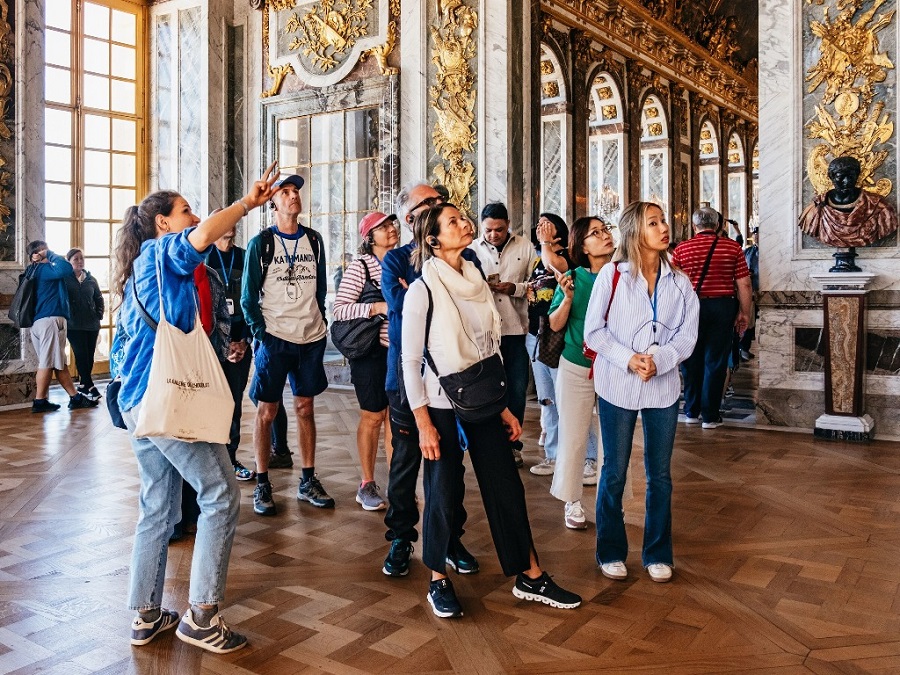
For years, the travel industry observed a steady decline in the popularity of traditional group tours. Independent travel became the dominant trend as online booking platforms, map applications, and translation software made it easier than ever for individuals to design their own itineraries. Renting a car, booking a vacation rental, and navigating a foreign city using only a smartphone became the ultimate badge of honor for the modern explorer. Guided tours were frequently stereotyped as restrictive, slow-paced, and suited only for older demographics who preferred to view the world from the window of a large tour bus.
However, a major shift is currently underway in the global tourism landscape. Guided travel is experiencing a massive resurgence, capturing the interest of younger demographics, families, and seasoned independent travelers alike. The modern iteration of the guided tour looks completely different than its predecessor. Today’s travelers are returning to guided formats not because they lack the ability to plan their own trips, but because they recognize that independent travel has become increasingly complicated, exhausting, and time-consuming. The return to guided travel is driven by a desire for insider access, logistical relief, deep cultural immersion, and the unparalleled expertise that only a professional can provide.
1. Combatting Choice Overload and Decision Fatigue
The internet revolutionized travel by providing access to endless information, but that abundance has ultimately turned into a psychological burden. Planning an independent vacation in the digital age requires sorting through thousands of conflicting online reviews, navigating dynamic pricing algorithms, and cross-referencing multiple travel blogs. What was once an exciting planning process has evolved into an overwhelming second job that induces decision fatigue before the trip even begins.
Guided travel eliminates this logistical anxiety entirely. When a traveler books a curated journey, an expert team takes over the mental heavy lifting.
The Logistical Relief of Guided Journeys
-
Curated Itineraries: Instead of guessing which attractions are worth the time and money, travelers benefit from an optimized schedule that balances iconic landmarks with hidden local gems.
-
Streamlined Logistics: Transport between cities, luggage handling, hotel check-ins, and ticket procurement are managed seamlessly behind the scenes, preventing the minor arguments and stressors that frequently disrupt family vacations.
-
Optimized Time Management: Professional operators understand the precise flow of local traffic, optimal arrival times for popular sites, and how to maximize every single hour of the day without making the pace feel rushed.
By outsourcing the administrative details of a vacation, travelers can reclaim their mental energy and focus entirely on the actual experience of being in a new place.
2. Unlocking Exclusive Insider Access and Skip-the-Line Privileges
The global surge in post-pandemic tourism has led to unprecedented crowds at major world landmarks. Securing a ticket to the Colosseum in Rome, the Louvre in Paris, or Machu Picchu in Peru now requires booking months in advance, and even then, visitors face massive queues and strict time slots.
One of the primary catalysts for the comeback of guided travel is the exclusive access that reputable tour companies hold. Because these operators maintain long-standing institutional partnerships with local municipalities and cultural sites, they can offer privileges that independent travelers simply cannot purchase on the open market.
Guided groups regularly enjoy early-morning admission before the general public arrives, private after-hours tours of world-class museums, and fast-track entry lanes that bypass hours of waiting in the sun. Furthermore, guided travel opens doors to private experiences, such as dining in residential historic homes, visiting private vineyard cellars, or meeting master artisans whose workshops are completely closed to the standard tourist walking down the street.
3. The Shift Toward Small-Group, Specialized Intimacy
The primary reason younger demographics like Millennials and Gen Z are embracing guided travel is the total reinvention of the tour structure itself. The days of the fifty-person mega-bus tour are giving way to small-group travel, where itineraries are limited to a dozen or fewer like-minded participants.
These modern operators design trips around specific niches, passions, and lifestyles rather than generic sightseeing.
Popular Sub-Genres of Modern Guided Travel
-
Culinary Journeys: Expeditions focused entirely on regional gastronomy, featuring market tours with local chefs, hands-on cooking masterclasses, and street-food crawl events.
-
Active Adventure: Group treks that incorporate long-distance hiking, mountain biking, kayaking, and wildlife tracking under the supervision of certified wilderness guides.
-
Impact and Eco-Tourism: Itineraries built around community development projects, conservation initiatives, and sustainable living practices that directly support regional economies.
This specialized focus transforms the social dynamic of the group. Instead of feeling like a face in a crowd, travelers find themselves surrounded by peers who share their exact interests, frequently leading to lifelong friendships forged through shared unique experiences.
4. Hyper-Local Expertise and Nuanced Storytelling
A smartphone can provide the historical facts about a monument, but it cannot convey the emotional context, folklore, and personal stories that give a destination its identity. The resurgence of guided travel places a heavy premium on the role of the local guide as a cultural translator.
True destination experts do not merely recite dates and architectural styles; they share what it is actually like to grow up, work, and live within that specific community. They understand the unwritten social codes, the regional political nuances, and the best neighborhood eateries that have never appeared on a global review website. This level of intellectual depth transforms a superficial sightseeing trip into a profound educational experience, fostering a genuine empathy and cross-cultural understanding that independent wandering rarely achieves.
5. Safety, Security, and Peace of Mind in an Unpredictable World
The modern travel environment is increasingly shaped by unpredictable variables, ranging from sudden extreme weather events and transportation strikes to shifting geopolitical climates. Navigating a travel crisis independently in a foreign country where you do not speak the language can turn a dream vacation into a dangerous logistical nightmare.
Guided travel provides an indispensable safety net. Tour operators employ dedicated, on-the-ground support networks that monitor local conditions in real time. If a rail strike cancels a train or a sudden storm closes a mountain pass, the tour director immediately reroutes the group, rebooks accommodations, and handles the financial logistics without the guest having to lift a finger or incur unexpected out-of-pocket costs. This profound peace of mind is invaluable, allowing travelers to explore remote or challenging destinations with total confidence.
Frequently Asked Questions
Does booking a guided tour mean I will have absolutely no free time to explore on my own?
Modern guided travel explicitly incorporates free time into the itinerary. Unlike older tour models that scheduled every minute of the day, contemporary operators design schedules that blend structured morning activities with open afternoons or evenings. This allows travelers to shop, try local restaurants independently, visit niche museums, or simply relax at a sidewalk cafe, providing the perfect balance between professional structure and personal autonomy.
How do modern tour operators accommodate travelers with specific dietary restrictions or allergies?
Contemporary guided travel companies are highly adept at managing diverse dietary needs, including vegan, gluten-free, halal, and severe nut allergies. Because dining arrangements are coordinated weeks in advance, tour directors work directly with restaurant chefs to ensure alternative menus are prepared with the same care and quality as the standard offerings, removing the stress of communicating complex medical allergies across language barriers.
Are guided tours a cost-effective option compared to self-planned independent travel?
Guided tours frequently offer superior financial value when evaluating the total cost of a trip. Because tour companies purchase hotel rooms, transportation, and attraction tickets in bulk, they secure wholesale rates that are unavailable to the general public. When you aggregate the costs of private transfers, individual entry tickets, high-quality local guides, and daily dining, an independent trip of equal quality often ends up costing significantly more than a bundled guided package.
How physically demanding are modern guided travel itineraries?
The physical demands of a guided tour depend entirely on the specific activity rating of the trip, which is clearly labeled by the operator prior to booking. Ratings generally range from relaxed, which involves gentle walking on paved surfaces and minimal stairs, to challenging, which may require multi-hour mountain treks, cycling over rugged terrain, or carrying personal gear. This clear categorization allows travelers to select an itinerary that aligns perfectly with their personal physical comfort levels.
What is the average age demographic of participants on modern guided trips?
The age demographic has broadened significantly due to the diversification of tour niches. While traditional sightseeing tours still attract retirees, active adventure and culinary tours skew heavily toward professionals aged twenty-five to forty-five. Family-focused guided itineraries cater to multi-generational groups, meaning that the modern group dynamic is often a rich, diverse mix of generations, backgrounds, and global perspectives.
How do guided tours address sustainable and responsible tourism practices?
Reputable guided travel companies are leading the industry in sustainable tourism initiatives. By utilizing group transport, they significantly reduce the per-capita carbon emissions of travel. Furthermore, responsible operators establish direct partnerships with locally owned boutique hotels, community cooperatives, and indigenous guides, ensuring that tourist expenditures stay directly within the local economy rather than being siphoned away by multinational corporations.


